


You’re drinking your eight glasses daily, and your skin still feels tight, looks dull, and shows fine dehydration lines. Turns out drinking water doesn’t directly hydrate your skin the way skincare marketing constantly suggests it does. Your skin needs topical hydration and barrier repair that water consumption alone simply can’t provide.
1. Why Water Alone Doesn’t Actually Help Your Skin

The water someone drinks heads straight to kidneys, heart, brain, and other organs, keeping the body functional. Skin gets whatever’s left after the heart, kidneys, and brain take their share. Usually, that’s not much. And if the skin barrier is compromised, moisture just evaporates right off before making any difference. Doesn’t matter how much water gets consumed.
Air conditioning, heaters, and plain old dry weather pull moisture straight out of skin all day long. Drinking more water doesn’t fix this. Topical products that dump moisture into skin and then seal it in are what actually work. Otherwise, it’s just tight, uncomfortable skin pretending everything’s fine.
2. Hyaluronic Acid Pulls Moisture In
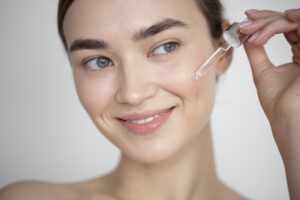
Hyaluronic acid holds up to 1000 times its weight in water, drawing moisture from the environment straight into your skin. This makes it incredibly effective for hydration when you use it properly. Apply hyaluronic acid serums to damp skin then seal everything with moisturizer.
If you apply it to completely dry skin in low-humidity environments, it might actually pull moisture from your skin making dehydration worse instead of better. Always apply to damp skin and follow immediately with moisturizer trapping that moisture in place where it belongs.
3. Ceramides Fix Your Moisture Barrier
Ceramides are lipids making up about 50% of your skin barrier. When your barrier is damaged, moisture escapes way faster than you can replace it, causing chronic dehydration that no amount of drinking water will ever fix.
The best Korean moisturiser options often contain ceramides that repair and strengthen your moisture barrier. This prevents water loss, letting your skin actually maintain hydration instead of constantly losing it to dry air. Barrier repair takes weeks but makes dramatic differences in chronic dehydration problems.
4. Occlusives Seal Everything In Place
Humectants like hyaluronic acid draw water in. Emollients like fatty acids soften skin. Occlusives create physical barriers preventing moisture loss. You need all three types for properly hydrated skin, but occlusives are what seal everything in place overnight.
Among the components that create barriers that prevent water loss via your skin are petrolatum, mineral oil, and dimethicone. These substances are really effective even though they aren’t very attractive or alluring. Use occlusive products at night when you don’t have to worry about looking greasy because they assist skin retain moisture for hours while you sleep.
Conclusion
Using ceramides to patch up the moisture barrier and stop water from constantly bailing out, sealing everything with occlusive ingredients, controlling humidity levels indoors so dry air stops robbing skin of moisture around the clock, applying hyaluronic acid while skin is still damp so it actually grabs moisture, and realizing that drinking a lot of water won’t plump up skin as product marketing claims are all necessary to treat dehydrated skin.
If you fix that barrier and appropriately stack hydrating products, your skin will improve in ways that drinking water alone could never have.
