


When you bring a new furry friend home, chances are they won’t know how to behave in the new environment. Dogs aren’t born understanding where not to sleep, or what’s okay to chew on, or how to act around people and other pets. That’s where training comes in.
Training is how you teach your dog what’s expected of them. And no, it’s not just about barking out simple commands like “sit” or “stay”. It’s also about building clear communication with your dog, being clear about boundaries and basically making your dog feel like they belong in your home. But how do you actually do all that? The answer is pretty simple: consistency, patience and having the right training supplies for dogs – that’s a big part of it.
While different people have their own opinions on training methods and tools, some equipment is sort of industry standard. Below is a list of good training supplies for dogs that can really help make training a more enjoyable experience for you and your dog.
Leash and Collar
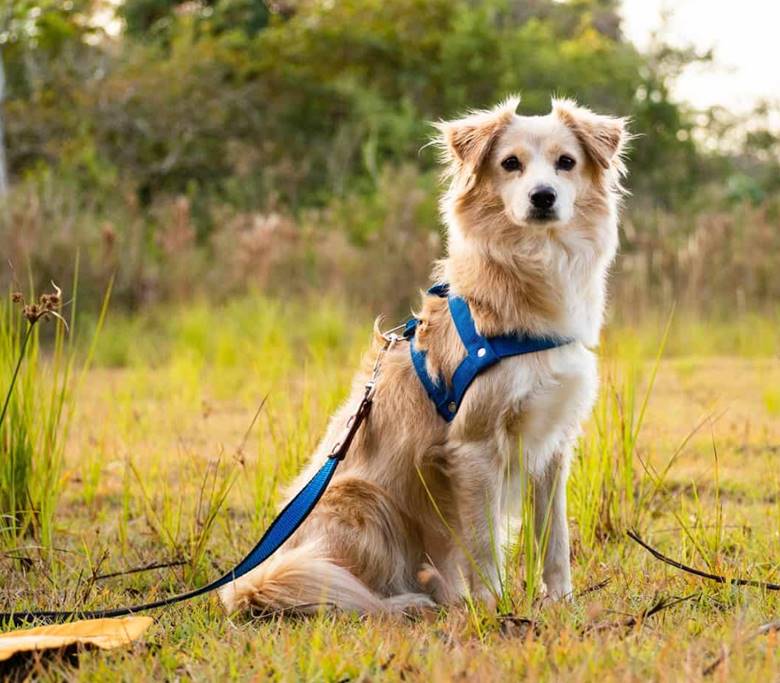
A leash and a collar are the first things you need when working with a dog. You’ll need them to walk your dog safely and teach basic obedience. Getting the right size collar that fits well, and a decent, sturdy leash are pretty much essential. This lets you keep a handle on things while still giving your dog enough freedom to move around and get some exercise.
If you are walking your dog or training them on a regular basis, a good 6-foot leash is probably your best bet – it’s long enough to give you some slack but short enough for you to still have control. Long leashes come in handy for specific training exercises like recall training or practising commands at a distance – they give your dog a bit more freedom while still keeping a close eye on them.
Dog Treats
When it comes to training your dog using positive reinforcement, dog treats are an essential component. And you don’t need the fancy stuff – high-value treats that really capture their attention are all you need to get them motivated and focused during training sessions. These can be as simple as single-ingredient or organ-based options that are made from basic, nutrient-rich ingredients, which your dog will find appealing and are good for them, too.
The way treats work is they reinforce all the good behaviour by associating it with a positive reward. When your dog responds to a command like recall, and you give them a treat in response, it helps lock that behaviour in and makes it far more likely they’ll repeat it in the future. This way, dogs see training as a positive experience they look forward to.
During longer training sessions, you can break treats down into smaller pieces. This means you can keep giving them rewards without filling them up on calories, and they stay engaged while still being healthy.
Treat Pouch
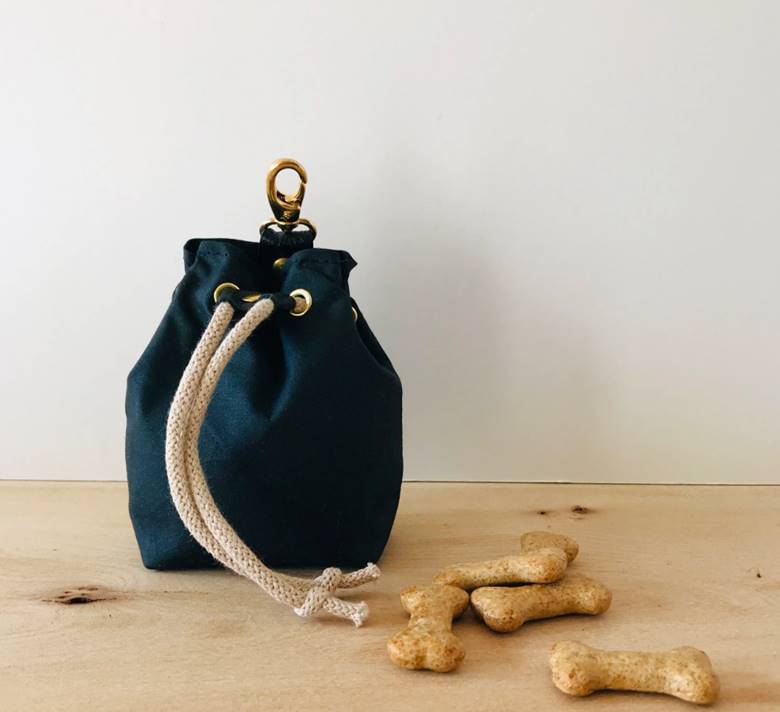
A treat pouch is a really practical bit of kit that lets you get at treats quickly and easily. The idea being that you can reward your dog at exactly the right moment when they do something good, which is when it’s most effective. By having a treat pouch, you can deliver rewards in a clear and consistent way, and your dogs know exactly what’s happening.
The bonus of having a treat pouch is that it keeps your hands free for the rest of the training session. That means you can manage a leash, give hand signals or keep a close eye on your dog during a walk or training exercise. Most treat pouches clip to your belt or waistband, which keeps everything within easy reach without having to stop and dig around in your pockets.
Clicker
A clicker is a pretty straightforward training tool that lets you mark the moment when your dog does something right. It makes a consistent sound that your dog associates with doing the right thing, and in no time at all, they’ll be working out what behaviour is being rewarded. This makes the learning process much faster and more effective.
Using a clicker is part of a positive reinforcement package, which includes treats and praise. The click acts as a kind of bridge between the behaviour and the reward – and it doesn’t matter if there’s a bit of a delay before the treat is given. Over time, your dog will learn that the sound of the click is a sign that something good is on the way. And one of the best things about a clicker is that the sound is always the same – it’s a consistent signal that cuts down on confusion and makes communication much clearer. This means you can teach new commands, refine their behaviour and reinforce training in all sorts of different environments without any problems.
E-Collars
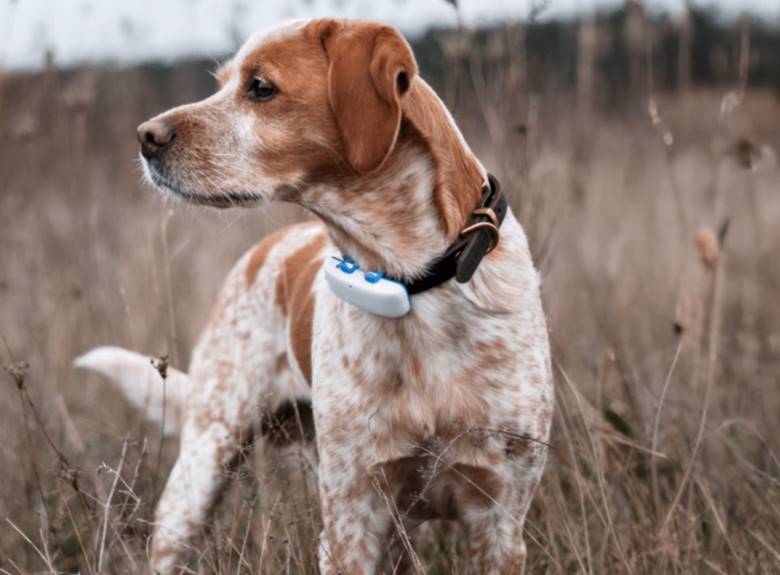
E-collars (often called electronic collars) are training gadgets that basically look just like regular dog collars but have a wee bit of tech packed in: a receiver and a handheld remote to send signals from. When you press the button, the receiver can send one of a few different messages, like a vibration, a noise, or a slight buzz: it all depends on the model and what the settings are. It’s like you can talk to your dog from a distance, no rope or leash needed.
In training, e-collars work in a similar way to long lines, giving you control over your dog when they’re a bit further away. But instead of relying on a rope, the handler is using signals to tell the dog to stop doing something. That’s especially useful out in the open where a leash just isn’t going to cut it.
They really come in handy for behaviours that are tough to handle with just a leash, especially in big open spaces. E-collars are used to point a dog’s attention in the right direction or to discourage certain actions. For example, you can use an ear-piercing tone to shut down the barking, while a bit of a jolt can teach them to stop jumping the fence or running off.
Crate
A crate is just a safe, comfy space for your dog to chill out and feel secure. It can be quite helpful to teach your dog to “go to place” using a crate, especially when you’re dealing with dogs that get over the top or get worked up really easily – like when visitors arrive or during stressful situations. The crate becomes this clear visual cue that tells your dog it’s time to slow down.
It’s not just about behaviour, though. These dog products also make house training way easier, stop unwanted habits when they’re left alone, and offer a quiet little hideout where they can just chill. Using one consistently teaches your dog to self-regulate and understand where the boundaries are, making both training and daily life a lot smoother for you and your pet.
