

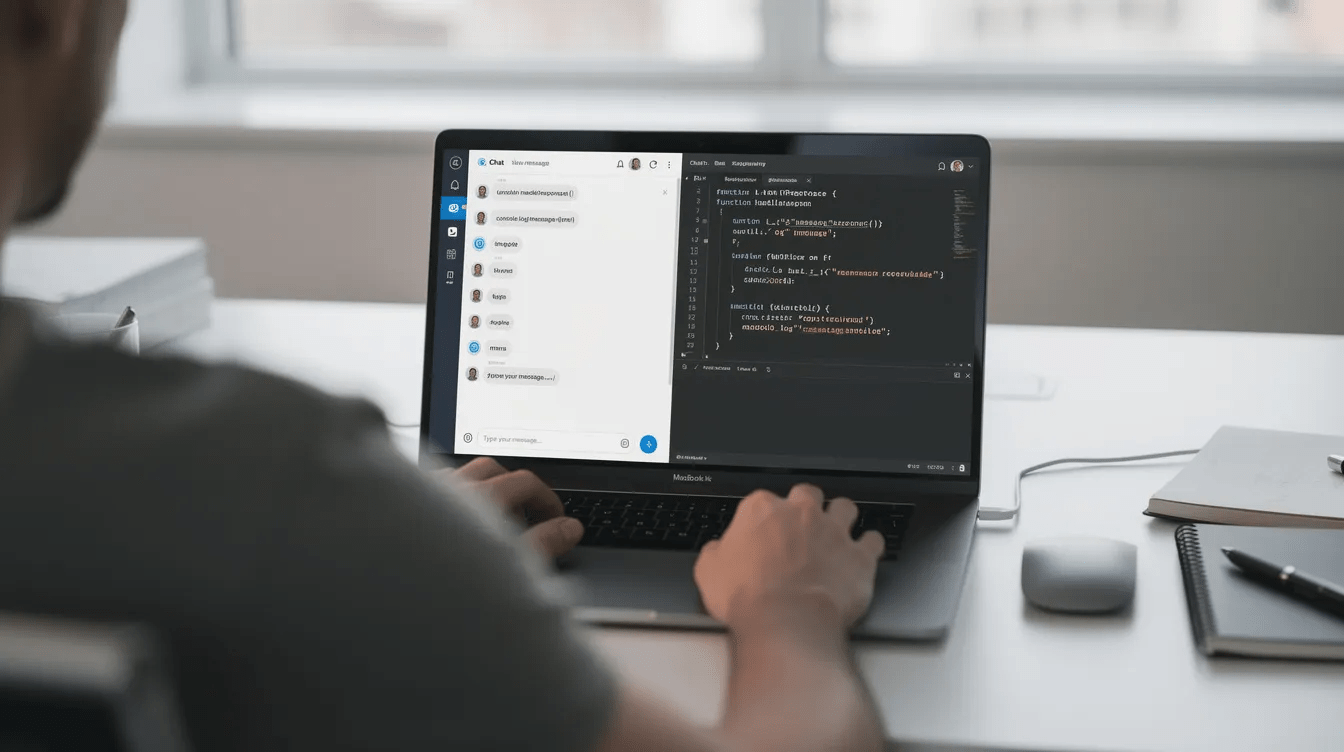
Imagine describing exactly what you want—a lead capture page, an email nurture sequence, a custom dashboard—and watching AI build it for you. That’s vibe coding in action. Developers and non-technical users alike benefit from vibe coding: developers can focus more on creative problem solving and innovation, while non-technical users can bring their ideas to life without traditional coding barriers.
This article is for marketers, small business owners, and nonprofit teams interested in leveraging AI for faster, more flexible marketing campaigns. Vibe coding matters for these audiences because it empowers them to create custom marketing tools, automate workflows, and personalize campaigns—without needing to write traditional code or rely on a developer. Vibe coding enables startups and SMBs to efficiently build their own product, such as apps or websites, reshaping how they approach product development, customer validation, and resource allocation.
Vibe coding is a software development approach where you describe your goals, aesthetic, and desired outcomes in plain language, and AI tools powered by large language models handle the actual code generation, debugging, and deployment. The term was coined by AI researcher Andrej Karpathy in February 2025 to capture this shift from writing code manually to directing AI agents with natural language prompts. Vibe coding is already being used for real world applications, enabling the creation of practical marketing tools and solutions that address specific business needs.
Vibe coding is the practice of writing computer code through natural language instructions or prompts, rather than traditional programming. It is a software development practice that makes app building more accessible, especially for those with limited programming experience. Non-technical users can describe their ideas in natural language and receive working code, making it possible to build apps and marketing tools without deep technical expertise. Several tools are emerging to support vibe coding, each with unique features and capabilities, so choosing the right tool for your strategy is important.
For marketers, this changes everything. You can now spin up landing pages, lead-gen tools, email workflows, and reporting dashboards without waiting on a dev team or learning to code yourself. Vibe coding has evolved into “vibe marketing,” allowing marketers to use AI to quickly build, test, and deploy interactive experiences and generate hyper-personalized ads tailored to niche audiences in real time. A task like building an abandoned-cart email flow—complete with logic, content variants, and basic tracking—can happen in minutes rather than weeks.
This article is written from VerticalResponse’s perspective as an email marketing and automation provider. We’ll focus on how vibe coding can supercharge campaigns for small businesses and nonprofits, helping you create custom marketing touchpoints that integrate seamlessly with your existing email infrastructure. User feedback is crucial in vibe coding, as it provides valuable insights into how users interact with vibe-coded tools, enabling ongoing improvements. Vibe coding also encourages a problem-first approach, focusing on solving user problems rather than the technology stack.
Vibe coding makes software creation more accessible for non-technical users, but it also encourages building custom internal tools without a developer, using AI coding assistants for tasks like landing page creation or analytics.
Keep in mind, vibe coding is best suited for low-stakes, simple projects and is not recommended for complex, secure, or production-critical applications without professional review.
What is vibe coding?
Vibe coding is the practice of writing computer code through natural language instructions or prompts, rather than traditional programming. It is a software development practice that allows non-technical users to describe their ideas in natural language and receive working code, making app building more accessible. Developers also use vibe coding for fast prototyping, enabling quick experimentation and accelerating the development cycle.
Vibe coding means describing the goal, the vibe, and the outcome you want in natural language, while AI writes and manages most of the underlying code and configuration. It involves defining the ‘vibe’—the emotional and aesthetic objectives of your brand—to guide AI in achieving the desired look, feel, and user experience. The focus is on outcomes over processes, enabling rapid iteration and letting users concentrate on what they want to achieve rather than how to implement it.
Here’s what makes this approach distinct:
- It relies on large language models and AI agents to handle scaffolding, writing code, and debugging automatically.
- It shifts focus from syntax and frameworks to intent, UX, and project goals.
- It’s accessible to non-technical users but still benefits from human review and QA.
- It works for entire apps and for smaller tasks like scripts, integrations, and templates.
- Vibe coding supports fast prototyping for both developers and non-technical users, making it easier to test ideas and iterate quickly.
Andrej Karpathy’s framing in early 2025 captured something important: this represents an AI-first workflow where humans supply direction, taste, and constraints (the “vibe”), while AI does the technical heavy lifting. The creative process stays with you—the implementation becomes collaborative.
Vibe coding is not “magic no-code.” It’s a new collaboration pattern. You’re not dragging and dropping pre-built blocks. You’re having a conversation with AI, providing user feedback, and iterating until the final product matches your vision.
How vibe coding works in practice
Most vibe coding follows a conversational loop: describe → generate → review → refine → deploy. Understanding this cycle helps you get better results faster, especially when you’re feeding assets into an email marketing and automation platform like VerticalResponse.
Step 1: Describe the outcome.You write a natural language prompt explaining what you want. For example: “Build a simple webinar registration page that syncs signups to my VerticalResponse list and sends a confirmation email.” Defining your requirements clearly at this stage is crucial to improve the output of the AI coding assistant.
Step 2: AI generates assets.The vibe coding tool produces functional code, configuration files, and sometimes a live preview. You see a working prototype immediately. With vibe coding, you can build marketing tools or applications from scratch, without relying on pre-existing templates.
Step 3: Provide feedback.You review both functionality and vibe—copy tone, visual style, brand colors, user interaction patterns. This is where your marketing expertise matters most.
Step 4: AI revises.Based on your feedback, the AI makes quick edits, fixes errors, and applies your new direction. Iterative development happens in minutes. Users can monitor and refine the generated code to ensure it meets their needs before final deployment.
Step 5: Deploy.With one-click or guided deployment, your new asset goes live for testing.
Two modes exist in practice:
- Pure vibe coding: Trusting AI outputs almost as-is for rapid prototyping of internal tools or quick experiments.
- Responsible assisted vibe coding: Treating AI like a pair programmer, with human testing and approvals before anything customer-facing launches.
For marketers, the most important parts of this loop are: clarity of your initial prompt, quality of your feedback, and measurement setup so you can track whether your vibe-coded asset actually converts. The more effective your prompt, the better the AI output will be.
Choosing the right AI coding assistant platform is also important—consider your technical, performance, or cost requirements to ensure the best fit for your marketing needs.
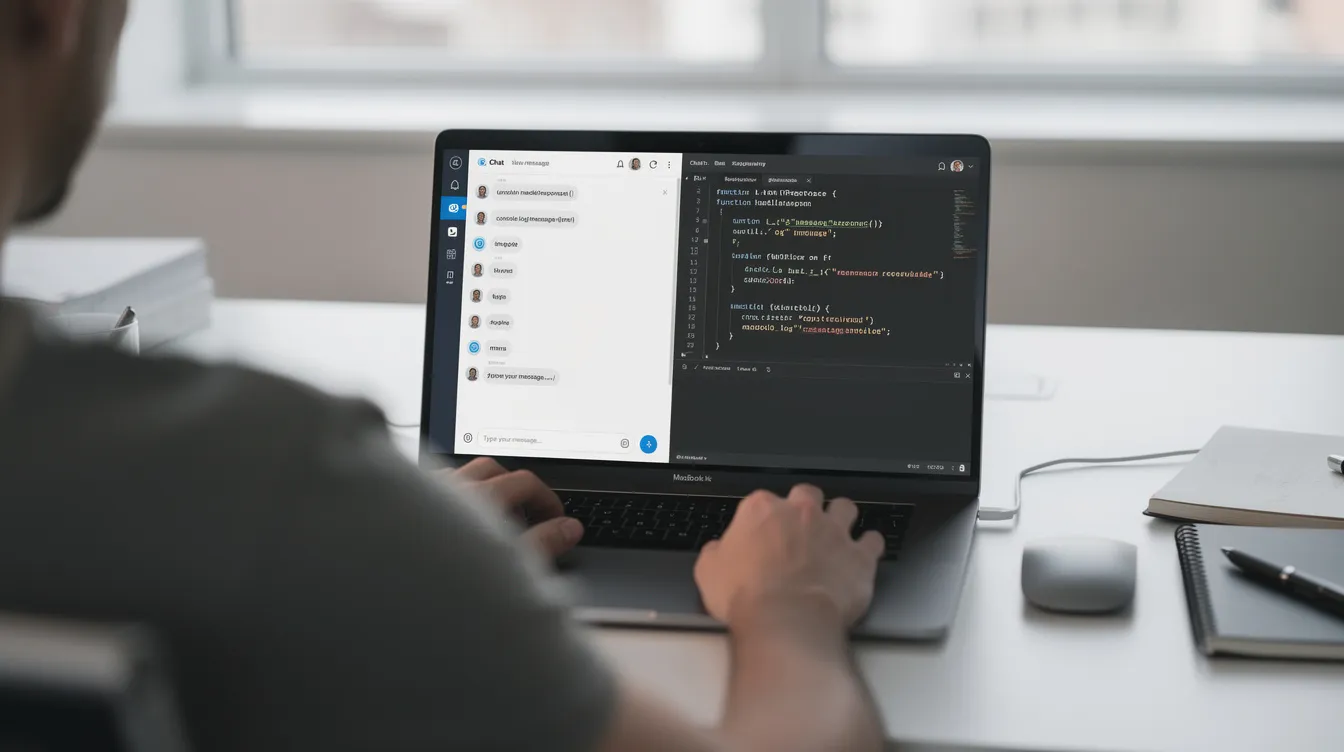
Iterative development with vibe coding
One of the standout advantages of vibe coding is how naturally it supports iterative development—a process where you build, test, and refine your project in fast, continuous cycles. Instead of waiting weeks for a finished product, you can create a functional prototype in hours, gather user feedback, and make rapid edits until everything aligns with your project goals.
With vibe coding tools, you start by describing what you want in plain language. The AI, powered by large language models and smart AI agents, generates the initial code and structure for your app, landing page, or internal tool. From there, you can immediately interact with a working prototype, test its features, and see how real users respond. This focus on user interaction and behavior means you’re not just building software—you’re shaping it around what actually works for your audience.
As feedback comes in, you simply update your natural language prompts to clarify requirements, tweak the vibe, or add new functionality. The AI quickly regenerates the code, letting you see changes in real time. This cycle—describe, generate, review, refine—can repeat as many times as needed, making it easy to experiment with different ideas and optimize for the best results.
For example, imagine a non-technical founder using a vibe coding tool to build an internal dashboard that tracks email campaign performance. They start with a prompt like, “Create a dashboard that shows open rates, click rates, and new signups from our latest campaign.” After reviewing the prototype, they notice users want to filter results by date and segment. With a quick update to their prompt, the AI adds these features, and the dashboard evolves—no manual coding required.
This iterative approach is especially valuable for marketers and small teams who need to move fast and adapt to changing needs. Whether you’re refining a landing page, building a new survey tool, or customizing an internal workflow, vibe coding empowers you to focus on the creative process and user experience, rather than getting bogged down in technical details.
Vibe coding vs traditional and no-code tools
Vibe coding sits between traditional programming and drag-and-drop no-code tools, often complementing both. Understanding where it fits helps you choose the right approach for each project.
Versus traditional programming:Marketers no longer need to wait weeks for dev cycles on small tools. A lead quiz, popup form, or segmentation script that once required a ticket in the dev queue can be vibe-coded in hours. You describe the functionality, AI generates working code, and you iterate based on results.
Versus classic no-code:Platforms like Webflow or Bubble excel at visual editing, but they hit walls with nuanced logic. Vibe coding handles complex requirements like “if a subscriber clicks link A three times but has never donated, trigger journey B and tag them for follow-up.” You define behavior in language rather than wrestling with limited template options.
Versus do-it-all marketing suites:Vibe coding fills gaps around your existing platforms. Think custom dashboards aggregating VerticalResponse stats with web analytics, or bespoke signup flows for specific campaigns that your main tools don’t support out of the box. Key features of vibe coding tools include natural language prompts for automation, rapid prototyping, seamless integration with APIs, and the flexibility to customize workflows beyond what traditional and no-code solutions allow.
Here’s a concrete timeline comparison: a custom event registration microsite that might take 3-4 weeks with an external agency (and cost $5,000+) can be vibe-coded in 1-2 working days, with marketing owning most of the feedback loop.
For small businesses and nonprofits using VerticalResponse, vibe coding doesn’t replace the platform—it extends it with custom touchpoints tailored to specific campaigns, and you can choose from email marketing pricing and plan options that match your list size and automation needs.
How to use vibe coding specifically for marketing
Vibe coding becomes practical when applied to real-world marketing needs, enabling marketers to build real world applications such as interactive tools, dashboards, and responsive campaign assets that address specific business challenges. There are several tools available for vibe coding, each suited to different marketing use cases and skill levels. Below are the main applications marketers are using AI to build in 2026:
Lead capture & landing pages
- Describe a simple signup page that sends contacts into a VerticalResponse list, tags them by offer, and triggers a welcome series.
- Example prompt: “Create a mobile-responsive landing page for our spring webinar with a signup form that adds contacts to my ‘Spring_2026_Webinar’ list in VerticalResponse.”
Email journey automation
- Describe nurture flows—like a 5-touch nonprofit donor sequence—and let AI build the logic plus first-draft copy.
- Refine for brand tone, then translate the structure into your VerticalResponse automations.
List hygiene & segmentation scripts
- Generate code that scores engagement, suppresses unengaged contacts, or auto-creates segments like “high-intent webinar attendees” based on user behavior and interaction data.
Dynamic content and personalization
- Vibe coding can generate logic that pulls different blocks into an email based on past behavior, geography, or donation history—features that would otherwise require custom development.
Reporting dashboards
- Build a lightweight dashboard aggregating VerticalResponse stats (opens, clicks, donations) with web analytics to show campaign-level ROI. No dev team required.
Micro-tools for campaigns
- Quick calculators, quizzes, and pledge forms that you vibe code for specific promotions, then embed or link in emails.
A nonprofit running Giving Tuesday campaigns in November 2026 could vibe code a real-time pledge tracker and auto-thank-you email flow in a single afternoon, then pair it with VerticalResponse’s discounted non-profit email marketing program to maximize impact on a tight budget.
Each use case should end with testing: A/B test versions, check deliverability, and validate data syncing into VerticalResponse before full rollout.
Step-by-Step Guide: Building a Vibe-Coded Email Funnel
Let’s walk through a concrete example: building a 7-day trial funnel for a small B2B SaaS in mid-2026 using VerticalResponse and a vibe coding assistant, assuming you’ve already selected one of the platform’s email marketing pricing and plans.
- Define the goal.
Convert free trial signups into paying customers within 14 days. Your KPIs: activation rate above 60%, trial-to-paid conversion above 20%. These metrics will guide your prompts and iterations. - Draft the prompts.
Write clear, specific prompts that include your technical requirements.
Example prompt: “Generate a 7-day email funnel for SaaS trial users. Day 1: welcome with onboarding steps. Day 3: tips for getting value. Day 5: feature highlight. Day 7: upgrade nudge with discount. Tone should be empathetic for busy SMB owners. Include VerticalResponse list and tag integration instructions.” - Generate assets.
Use vibe coding to create HTML email templates, subject line variants (for A/B testing), and basic landing page code. Import these into VerticalResponse via your iBuilder email marketing account or connect them via API. - Wire up automation.
Ask AI to write the automation logic or scripts connecting form submissions to lists, applying tags, and starting the correct sequence. Translate this into VerticalResponse’s automation rules. - Test the journey.
Run internal test contacts through the flow. Verify sends, timing, and links. Adjust prompts to fix issues or clarify logic that didn’t work as expected. - Launch to a limited segment.
Roll out to 10% of new signups. Monitor open rates, click rates, and trial activation metrics for 7-14 days. - Iterate based on data.
Ask AI to propose changes based on performance data. Rework underperforming emails, adjust send times, personalize CTAs based on user behavior.
Human oversight remains essential: check copy for brand alignment, compliance (CAN-SPAM, GDPR), and factual accuracy before sending to your full list.

Using vibe coding with VerticalResponse
Here’s how VerticalResponse customers can apply vibe coding today. Vibe coding tools can help experienced engineers code prototypes faster and enable non-technical users to build complete applications. Several tools are emerging to support vibe coding, each with unique features and capabilities:
- Landing pages: Use vibe coding to generate a simple mobile-responsive page in HTML/CSS for a special promotion. Paste the code into a VerticalResponse landing page, or host externally and integrate form submissions with VerticalResponse lists via API. A boutique gym could vibe code a seasonal promo page for a New Year membership drive, then sync signups directly into their email list.
- Email templates: Ask AI to draft modular email HTML (header, body blocks, footer) optimized for major email clients. Import into VerticalResponse for drag-and-drop editing and reuse across campaigns.
- Automated follow-ups: Vibe code logic and messaging for post-survey follow-ups, abandoned forms, or event reminders. Then translate that logic into VerticalResponse’s automation rules—no developer needed.
- Surveys and feedback loops: Generate survey questions and thank-you pages tailored to different segments (donors vs. first-time buyers vs. volunteers). Deploy via VerticalResponse surveys with automated follow-up emails based on responses.
Example scenario:A community arts nonprofit needs a year-end donor campaign. They vibe code a custom survey asking about giving preferences, generate a thank-you page with personalized messaging, and set up automated follow-ups in VerticalResponse that segment donors by giving level. The whole project takes one afternoon instead of three weeks.
Marketers can copy-paste generated code, tweak copy in the user friendly VerticalResponse UI, and rely on the platform’s built-in sending, list management, and reporting, all backed by a company focused on helping businesses connect with customers through email marketing.
Pros, cons, and limits of vibe coding for marketing
Vibe coding is powerful, but it’s not a silver bullet. Understanding both strengths and limitations helps you use it responsibly.
Advantages
- Speed: New campaign tools and funnels built in hours instead of weeks.
- Accessibility: Non-technical founders and marketers can experiment with custom solutions.
- Experimentation: Easier to run many small tests with different offers, flows, and layouts.
- Cost efficiency: Reduces reliance on agencies for straightforward development work.
Limitations
- Code quality and security: Generated code can contain bugs, performance issues, or insecure patterns that need review (estimates suggest 10-20% error rates on complex tasks).
- Compliance: AI won’t automatically comply with email regulations, privacy laws, or nonprofit fundraising rules without human guidance.
- Maintainability: Ad-hoc outputs without documentation become hard to update later.
- Over-automation risk: Automating too aggressively can create impersonal experiences that hurt customer engagement.
For anything mission-critical—donation processing, payment flows, sensitive data handling—either involve a technical expert to review the AI-generated implementation, or keep the sensitive pieces inside proven platforms like VerticalResponse, including VerticalResponse Classic’s email and survey tools, while only vibe coding the surrounding experience.
Best practices: vibe coding responsibly in your marketing stack
Adopt these guardrails to get value from vibe coding without creating chaos:
Start small
Begin with low-risk assets—internal tools, A/B test variants, simple landing pages—before moving to core revenue flows.
Be specific in prompts
Include audience, tone, offer, data sources, and tools.
Example: “Connect this form to my VerticalResponse list named ‘Spring_2026_Launch’ and tag contacts as ‘webinar-attendee’.”
Always review and edit
Manual review of copy for brand voice, legal considerations, and factual correctness is non-negotiable.
Document as you go
Maintain a simple README describing what AI-produced scripts or templates do and how they connect to VerticalResponse.
Test thoroughly
Send test emails to seed accounts, check layouts across email clients, validate tracking links and form submissions, and align your automation cadence with email frequency best practices for consistent engagement.
Respect data privacy
Never paste sensitive customer data into prompts. Keep PII inside secured tools and use anonymized sample data.
Set measurable goals
Tie each vibe-coded asset to specific metrics in VerticalResponse (open rate lift, list growth, donation volume) and review regularly, whether you’re using modern builders or VerticalResponse Classic’s email and event marketing tools, and consider seasonal experiments like holiday email graphics for your campaigns.
By mid-2026, many teams are standardizing their vibe coding playbooks. Adapt these practices into your own internal guidelines.
Future of vibe coding in marketing (2026–2028 outlook)
Vibe coding will become a normal part of the marketing toolkit, similar to how email automation and social schedulers became standard in the 2010s.
Trends to watch:
- More agentic marketing copilots: AI agents orchestrating A/B tests, updating segments, and suggesting new campaigns directly inside platforms like VerticalResponse.
- Multimodal vibe coding: Describing campaigns with voice, sketches, and example emails—not just text prompts—to generate consistent multichannel experiences.
- Deeper platform integrations: Marketing platforms exposing structured “hooks” so AI tools can safely create and update automations without fragile copy-paste workflows.
- Stronger governance and compliance tooling: Built-in checks for consent, unsubscribe handling, and data localization becoming standard in AI-assisted campaigns.
Invest now in skills that compound: learning to write clear prompts, understanding basic data flows (lists, tags, events), and interpreting campaign analytics to guide the next round of AI-assisted improvements.
As vibe coding continues to mature, the combination of reliable email marketing infrastructure with vibe coding experimentation lets you ship more campaigns, test more ideas, and grow faster—without a large technical team. Start with your next campaign in VerticalResponse and see what you can build.
Summary: What is vibe coding and how to use it for marketing?
Vibe coding is the practice of writing computer code through natural language instructions or prompts, rather than traditional programming. It enables rapid prototyping and interactive content for marketers, allowing them to build tools like custom calculators, quizzes, and landing pages without relying on IT. Vibe coding allows for hyper-personalized ads and automates repetitive marketing workflows, making it possible to adjust campaigns in real time based on performance data and social sentiment.
Marketers can use vibe coding to monitor micro-interactions and personalize content in real time, building custom internal tools without a developer. By defining the ‘vibe’—the emotional and aesthetic objectives of a brand—marketers guide AI to create assets that resonate with users. Vibe coding combines programming concepts with user emotions and behavioral patterns, enabling the creation of marketing tools that enhance user interaction, satisfaction, and emotional engagement. This approach empowers marketers, small business owners, and nonprofit teams to deliver more relevant, effective, and engaging campaigns with unprecedented speed and flexibility.
© 2026, Ahsan Amin. All rights reserved.
